

Commercial Solar Resources for New Jersey Businesses
Federal ITC math, NJ Successor Solar Incentive program details, case studies, and answers to the questions every CFO asks before signing a commercial solar contract.
Everything below is written for New Jersey commercial property owners, not generic national content.
Years in the Energy and Infrastructure Industry
Client Satisfaction
Projects Completed
How to Use These Resources
Start with the incentive stack below if you are new to commercial solar, then move to case studies for real project specs. Each resource is written for NJ commercial property owners, not homeowners.
- Lower Energy Costs
- Increase Property Value
- Environmentally Friendly
- Energy Independence
What Changes Project to Project
Ownership structure, building type, and timeline all affect which incentives and financing options apply. The resources below cover the general rules; your specific numbers depend on your building.
- Electric bill review and usage pattern check
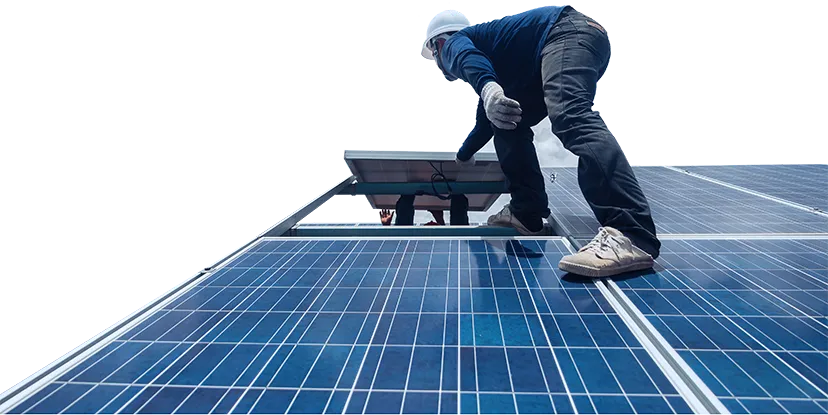
- Roof and site constraint review including access and safety
- Preliminary layout and sizing assumptions you can validate
- Early notes on permitting and interconnection requirements
- Clear next steps for design, pricing, and timelines
Incentives at a Glance
What we typically review (eligibility and amounts vary):
Cost coverage:
Some projects see 40% to 60% offset after stacking programs; eligibility and timing vary.
Tax credits:
Federal credits may reduce net cost; we help document requirements for your accountant.
NJ incentives:
Production-based programs can add ongoing value tied to energy output; availability depends on program status.
Payback modeling:
We run conservative ROI scenarios using your rates, available area, and load profile.
Our Process
Step 1: Share your bill and site details
Step 2: Design, incentives, and approvals plan
Step 3: Build, turn-on, and reporting
What You’ll Find in Each Resource
Incentive guides
Federal and NJ program breakdowns, updated as programs change.
Case studies
Real project specs: system size, production, and payback where we have permission to share them.
Financing comparisons
Ownership, loan, and PPA tradeoffs explained side by side.
Process and timeline guides
What to expect from feasibility through interconnection.
Popular Resource Topics
Incentives
Case Studies
Financing
Permitting & Interconnection
ROI & Payback
FAQs
Service Areas
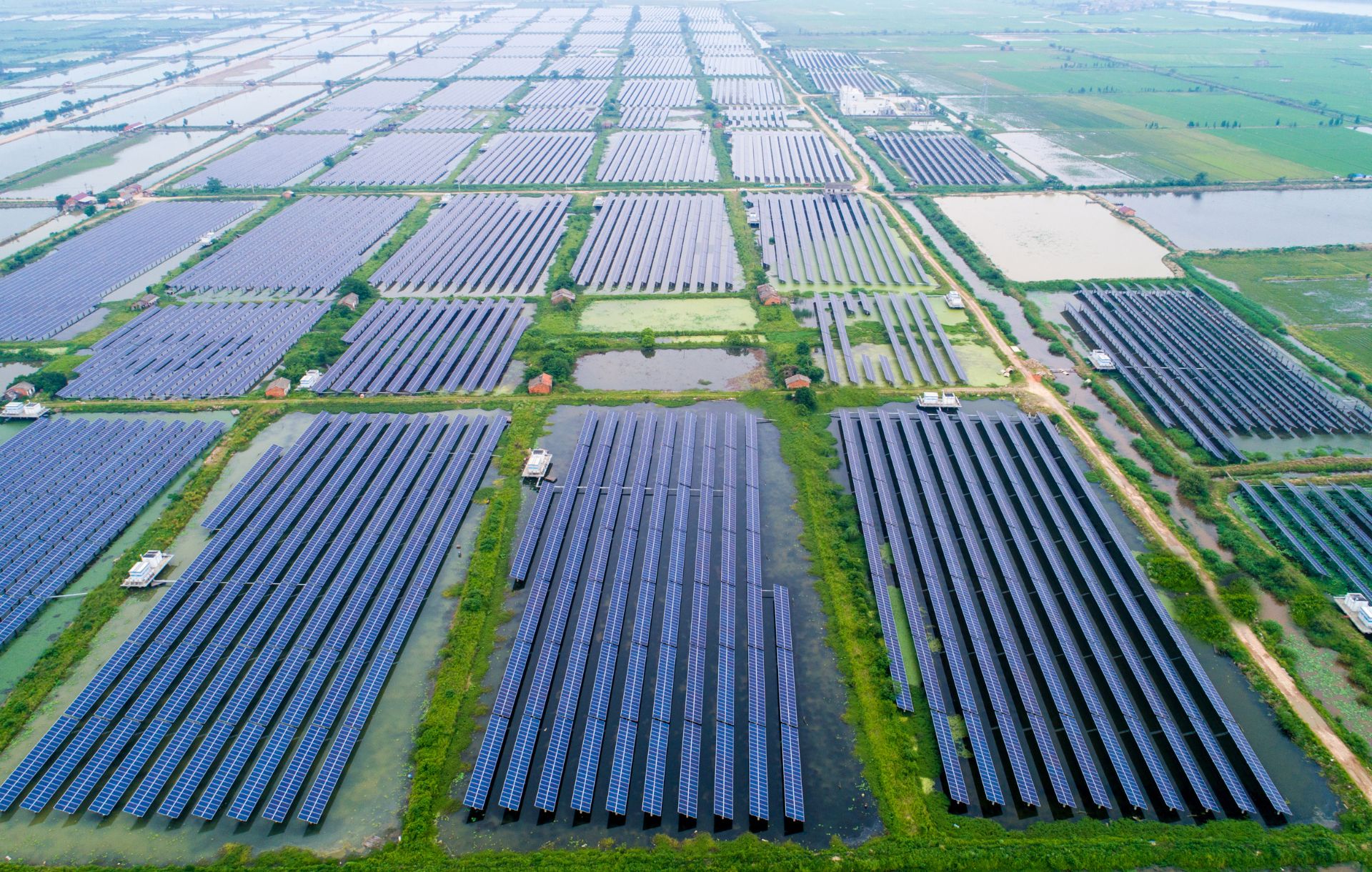
We support commercial solar projects across New Jersey, with a strong presence in South Jersey.
Have a Question a Resource Did Not Answer?
Tell us about your building and we will point you to the right resource or the right next step.
FREQUENTLY ASKED QUESTIONS
Where should I start if I am new to commercial solar?
Start with the incentive stack overview, then the case studies for real project specs.
Are the incentive numbers on this site current?
We update resource pages as federal and NJ programs change; call to confirm your specific eligibility.
Can I get a resource written for my specific industry?
Check the Industries hub, or tell us about your building and we will point you to what applies.
Resources for New Jersey Commercial Solar
Click any card to explore a topic in depth. All content authored for NJ commercial property owners: federal incentives, state-specific programs, real project economics, and the questions every CFO asks.

Case Studies
Real NJ commercial solar projects with system size, production, payback, and utility-specific details. Warehouse, dealership carport, manufacturer with battery.
Federal Tax Credits & Grants
The 30% federal ITC through 2032, MACRS 5-year depreciation, bonus depreciation schedule, and IRA Direct Pay for tax-exempt entities: explained for NJ commercial owners.

NJ State Incentives
NJ Successor Solar Incentive (SuSI) credit program, NJ Energy Storage Incentive (NJESI), net metering rules, property tax exemption per N.J.S.A. 54:4-3.113.

Tax Credits & Incentives Overview
How the federal and NJ state incentive stack work together: stacking ITC + MACRS + bonus depreciation + SuSI for taxable commercial entities. Sample stack math.

Commercial Solar FAQs
Plain-English answers to the questions every NJ CFO and facility manager asks before contracting commercial solar: financing, timeline, payback, utility interconnection.
Solar Blog
In-depth articles on commercial solar ROI, NJ utility interconnection process, demand-charge offset with battery storage, and warehouse case studies.
The Commercial Solar Incentive Stack: NJ Specifics
For taxable C-corps with a strong tax position, the typical 2026 incentive stack on a NJ commercial solar project produces a net cost of approximately 40% to 50% of gross system cost by the end of Year 1. The math is publicly verifiable but rarely shown in plain English. Here’s the layered stack:
- Federal Investment Tax Credit (ITC): 30%. Direct reduction in federal tax liability for systems placed in service through 2032 under current IRA law. Applies to commercial solar and paired battery storage.
- MACRS 5-year depreciation. Modified Accelerated Cost Recovery System lets commercial owners depreciate solar over 5 years (technically 6 due to half-year convention). Applied to depreciable basis (gross cost minus 50% of ITC).
- Bonus depreciation. Per current step-down schedule: 40% in 2025, declining annually. Applies to depreciable basis.
- NJ Successor Solar Incentive (SuSI): 15-year credits. Year-1 production estimate × current ART credit rate × 15 years (with degradation adjustments). Often exceeds original system cost over the program lifetime.
- Net metering at retail rate. NJ utilities credit excess solar production at retail rate within program cap. Materially improves economics on slightly-oversized systems.
- Property tax exemption per N.J.S.A. 54:4-3.113. No incremental property tax assessment for the solar system. Most NJ townships honor this; some require an annual application.
- NJ Energy Storage Incentive (NJESI). For paired solar + storage projects, NJESI provides upfront capacity-based incentive. Typical $400 to $700 per kWh for paired commercial storage.
For tax-exempt entities (501(c)(3) nonprofits, public schools), the IRA Direct Pay provisions introduced in 2023 let eligible organizations elect to receive the 30% ITC as a direct cash payment from the IRS instead of as a tax credit. See Federal Tax Credits & Grants for the structuring details.
Frequently Asked Questions
What’s the difference between federal ITC and NJ SuSI?
Federal ITC is a one-time direct reduction in federal tax liability: 30% of gross system cost, claimed in the year the system is placed in service. NJ Successor Solar Incentive (SuSI) is an ongoing production-based credit paid for 15 years on documented metered production. Both stack on the same project.
How are NJ SuSI credit rates determined?
NJBPU (New Jersey Board of Public Utilities) sets the credit rate per “ART program year” (Aggregated Renewable Targets). Once your system is registered, the credit rate for your project is locked in for the 15-year program duration regardless of subsequent program year changes.
Does the federal ITC still apply to commercial solar in 2026?
Yes, the 30% federal Investment Tax Credit is available for commercial solar systems placed in service through 2032 under current Inflation Reduction Act law. Paired battery storage also qualifies when charged at least 75% from solar.
What if my facility is tax-exempt? Can we still benefit from federal incentives?
Yes, via IRA Direct Pay (introduced 2023). Eligible 501(c)(3) nonprofits, public schools, state and local governments, rural electric cooperatives, and tribal entities can elect to receive the ITC as a direct cash payment from the IRS instead of as a tax credit. Alternatively, third-party PPA structures pass tax benefits through as a below-utility electric rate.
LandAir Energy · 2050 Fairfax Avenue, Cherry Hill, NJ · 856-702-3721
Inquire Now
Have a question we didn’t cover above? Tell us about your facility and we’ll respond within 2 business days. Or call us directly at 856-702-3721.